
Rothschild: The Shadows and the Myths

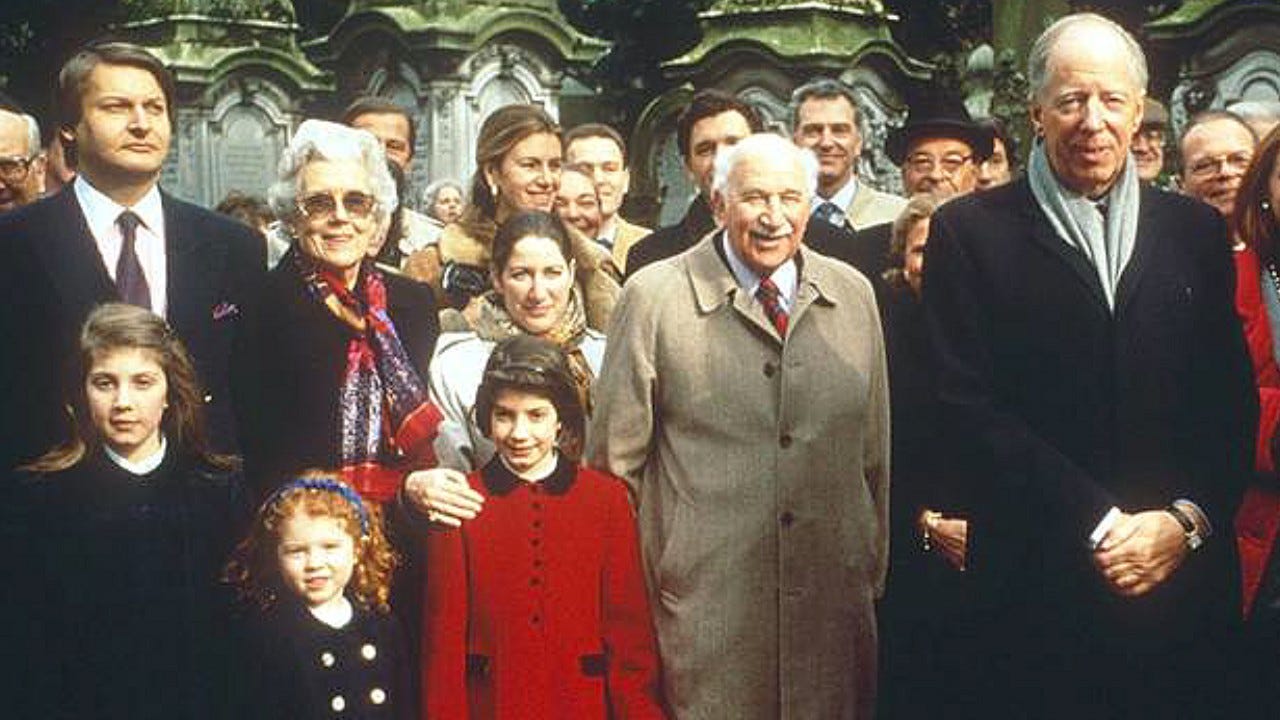
In the annals of wealth and influence, few names resonate as deeply as the Rothschilds. This storied family, entrenched in the corridors of power and finance, has long captivated the public imagination. To some, they are simply a dynasty of astute bankers, while others see them as the architects of a hidden world order. Are these tales born of envy and fear, or is there a kernel of truth within the legends? Let us venture into their history and unravel the myths surrounding one of the most discussed families in history.
The Rise of the Rothschilds: A Banking Dynasty
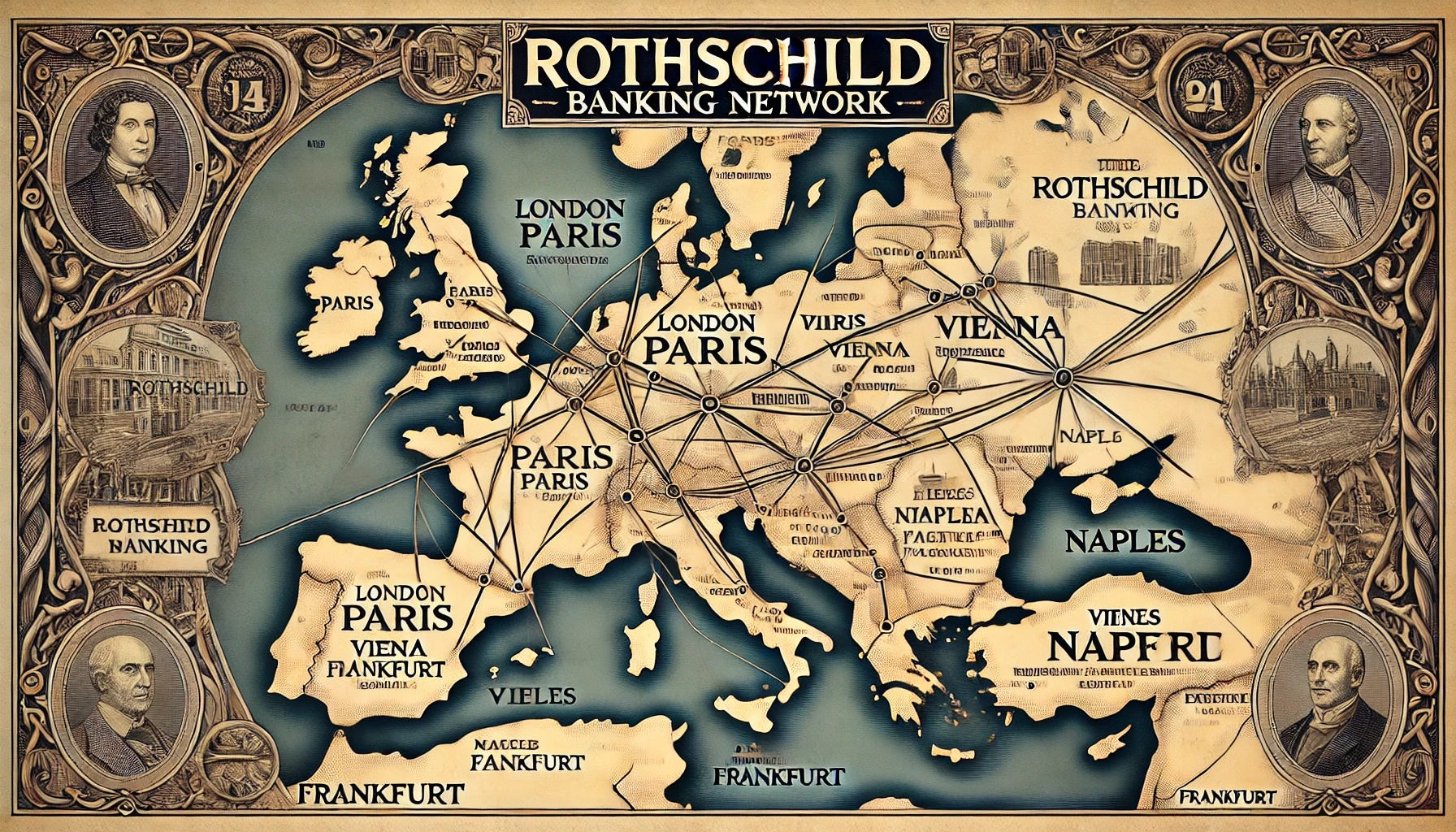
The Rothschild tale begins in the 18th century on the cobbled streets of Frankfurt. Mayer Amschel Rothschild, a man of vision and ambition, started a modest banking business. Yet, he harbored grander dreams. He dispatched his five sons to the great cities of Europe—London, Paris, Vienna, Naples, and Frankfurt—each establishing a branch of the family business and creating a network that revolutionized banking.
Their success lay in their unparalleled speed and communication. The Rothschilds employed swift couriers and carrier pigeons to relay financial news, outpacing their competitors. This agility gave them an edge, enabling them to react quickly to political and economic shifts. Their influence expanded as they became trusted advisors to kings and governments, wielding power quietly and effectively.
Despite their prominence, the Rothschilds preferred to remain in the shadows. This discretion, though prudent, sparked suspicions. How could one family wield such influence without harboring hidden agendas? The whispers began: were they merely bankers, or were they the unseen hands steering global affairs?
The New World Order: Myth or Reality?
The theory of a New World Order speaks of an elite group manipulating global power. The Rothschilds often find themselves at the heart of these claims. Theorists suggest they steer the world toward a one-world government, leveraging their financial might.
One historical event often cited is the Congress of Vienna in 1815. After the Napoleonic Wars, European powers met to redraw borders. Some claim the Rothschilds influenced these decisions through their vast wealth, exploiting crises to destabilize nations and tighten their grip.
Skeptics argue these theories oversimplify complex geopolitical issues, suggesting that the Rothschilds, like any successful family, seek to protect their legacy. Yet, the myth persists, with every new crisis igniting fresh speculation about their true role in world affairs.
Masters of the Central Banks?

A prevailing conspiracy theory suggests that the Rothschilds control the world’s central banks, shaping monetary policy to their advantage. Allegedly, by controlling central banks, they manipulate interest rates and economic cycles, ensnaring nations in debt.
Proponents point to the creation of the Bank of England and the Federal Reserve as evidence of Rothschild influence. These institutions, they claim, serve as tools for the family’s dominance.
However, historians and economists argue that central banks involve intricate political processes and diverse stakeholders, making single-family dominance improbable. While the Rothschilds have played pivotal roles in banking history, the claim that they control central banks lacks substantial evidence. Nevertheless, their supposed influence over global finance remains a cornerstone of conspiracy lore.