
The Hidden Price of Revolution: 8 Dark Facts Behind Elon Musk's Factories
Innovation's Shadow: The Human Toll in Elon Musk's Factories

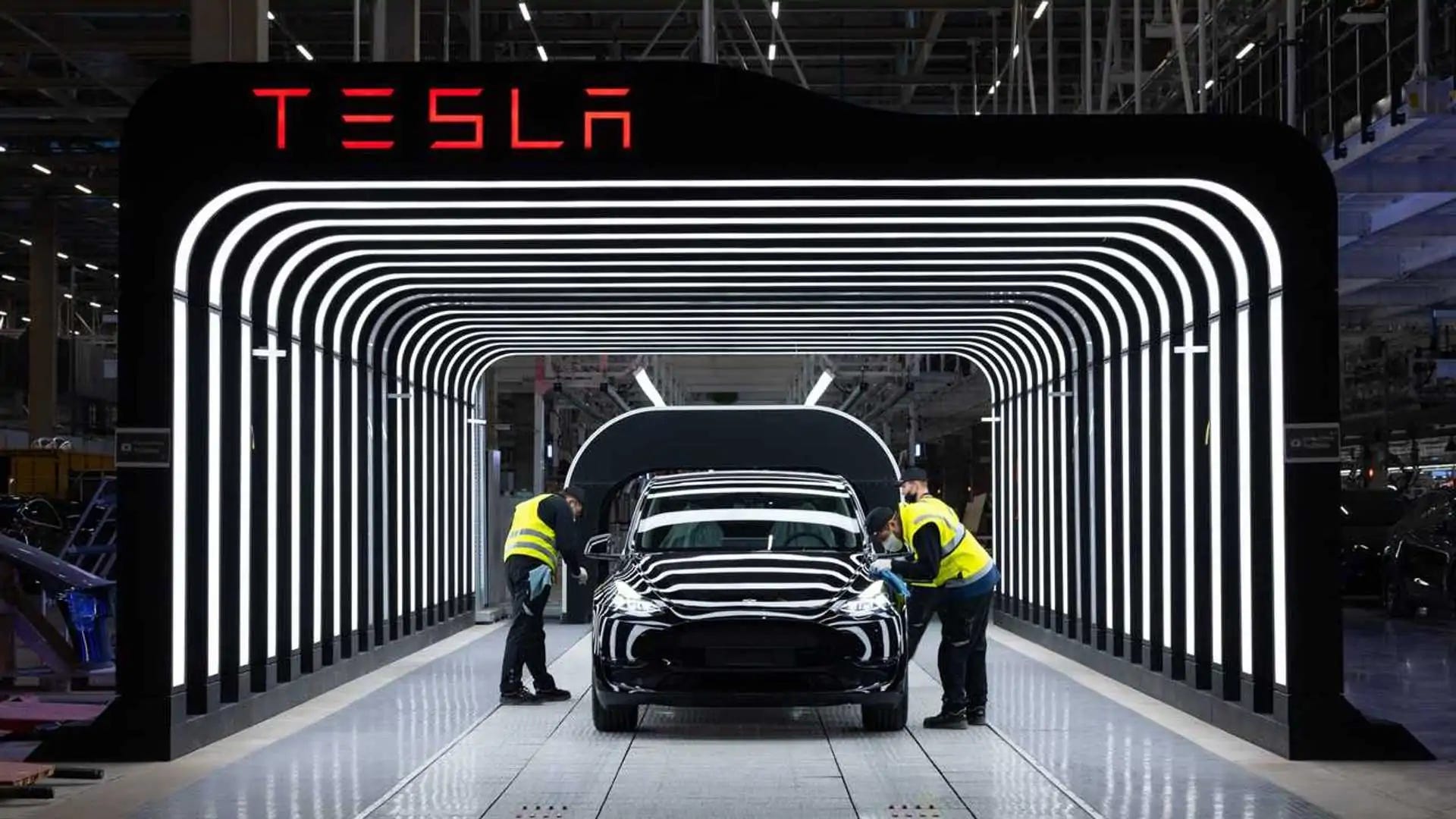
Elon Musk sells the future: sleek electric cars, rockets piercing the sky, Mars colonies. But step inside the factories building this dream, and the picture shifts. Behind those glossy showrooms and viral launches, there’s a different story—one written in overtime slips, injury reports, and exhausted whispers on production lines.
This isn’t about vilifying ambition. It’s about the tension between breakneck innovation and the people powering it. From California to Berlin, workers describe a gap between Musk’s starry-eyed promises and their daily reality. What happens when "changing the world" means pushing human limits past breaking point? Let’s walk the floor.
1. Fremont: Where Speed Comes at a Price
Tesla’s Fremont factory is massive—a steel skeleton humming with robots and 22,000 humans. In 2023, a Reuters investigation dropped a bombshell: injury rates here ran 30% higher than the auto industry average. Not a blip. A pattern. Workers told of missing safety guards on machines, chemical burns from battery acid, even crushed limbs. One lost fingers in a conveyor belt; another described a coworker’s leg nearly severed by a falling chassis.
Why? The pressure. When Tesla raced to hit 5,000 Model 3s per week in 2017, speed trumped safety. Assembly lines accelerated. Breaks vanished. One former worker recalled supervisors shouting "Move! Move!" over the clatter of machinery. Training? Often a 5-minute demo before handling heavy equipment. The unspoken rule: report an injury, risk your job. So many stayed silent, nursing wounds in parking lots.